FISHING LINE
The right line can make or break your fishing. Each type has unique properties - understanding stretch, visibility, and strength will transform your success rate.
Monofilament
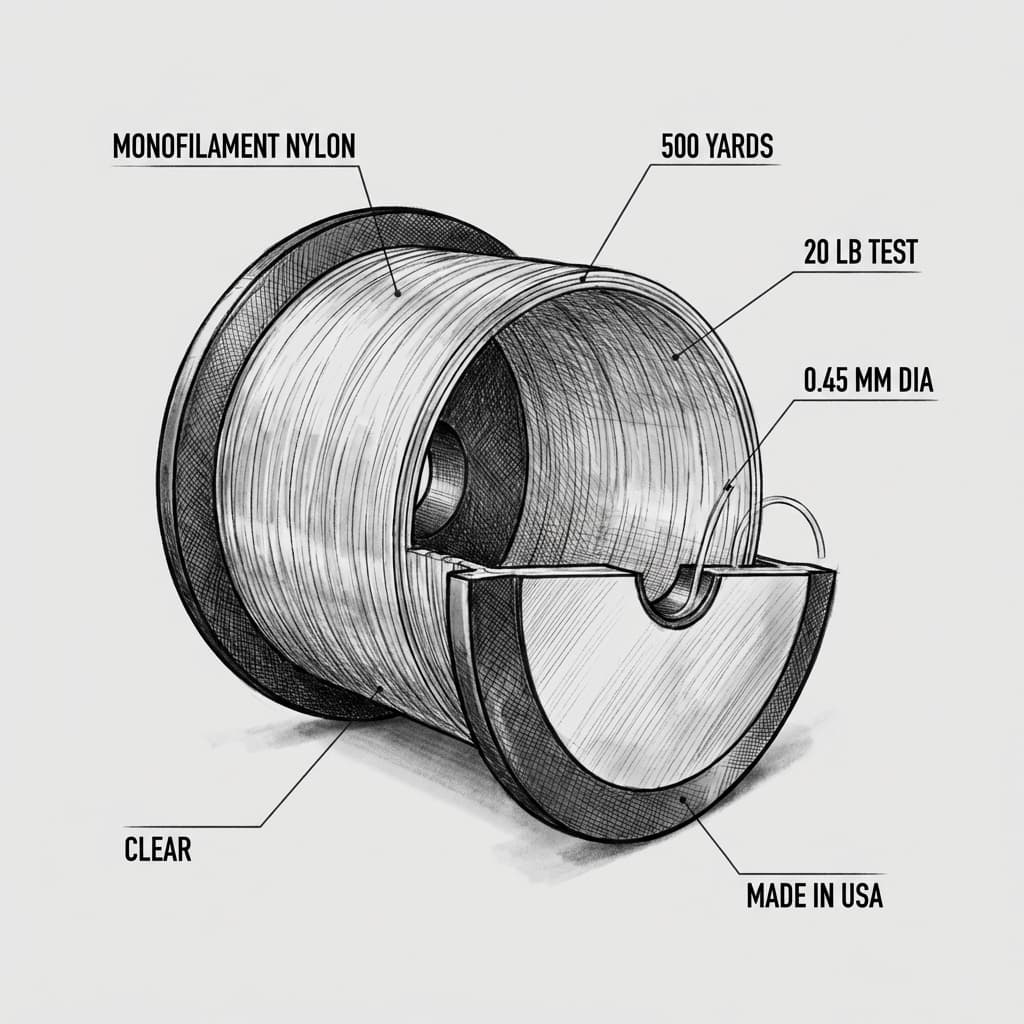
A single strand of nylon that is the most versatile and affordable fishing line. Its stretch provides shock absorption, making it forgiving for beginners.
Line Characteristics
Best For
Advantages
- Most affordable option
- Easy to work with and tie knots
- Stretch absorbs shock from strikes
- Floats - great for topwater
- Good knot strength
Limitations
- Degrades in UV light over time
- More visible underwater
- Line memory causes coiling
- Less sensitive than fluoro or braid
- Needs replacing yearly
When to Use This Line
- Topwater lures - keeps bait on surface
- Treble hook baits - stretch helps keep hooks pinned
- Learning to fish - forgiving stretch
- Trolling applications
- When budget is a concern
Recommended Pound Test
4-8 lb for panfish, 8-12 lb for walleye, 12-20 lb for pike/bass
Fluorocarbon
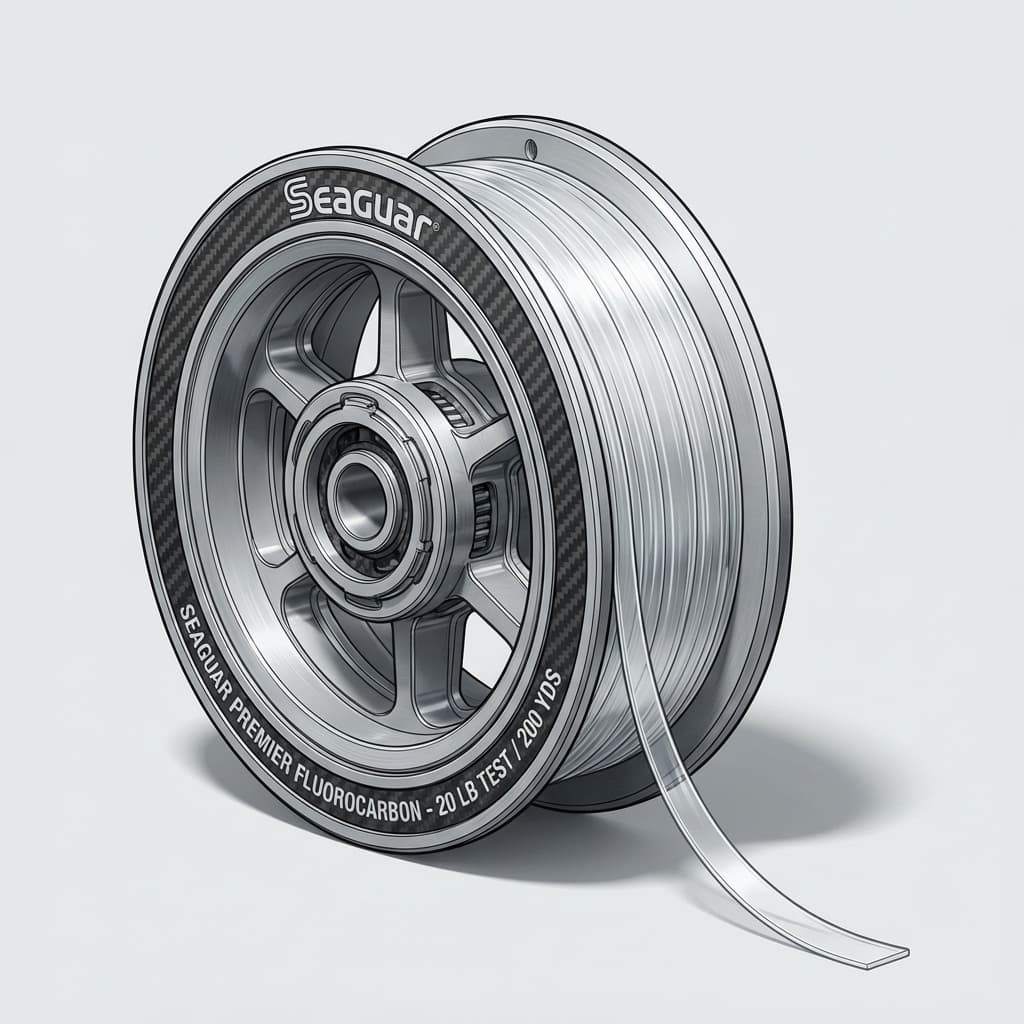
Made from polyvinylidene fluoride (PVDF), fluorocarbon is nearly invisible underwater because its light refraction matches water. It's denser than mono and sinks.
Line Characteristics
Best For
Advantages
- Nearly invisible underwater
- Excellent sensitivity
- High abrasion resistance
- UV and water resistant
- Sinks - great for bottom baits
Limitations
- More expensive than mono
- Stiffer - harder to work with
- Can be difficult to tie knots
- More line memory
- Not good for topwater
When to Use This Line
- Clear water with wary fish
- Jigs and bottom-contact baits
- Deep-diving crankbaits
- As a leader with braided mainline
- When fish are line-shy
Recommended Pound Test
4-6 lb for finesse, 8-12 lb for general, 12-20 lb for bass
Braided Line
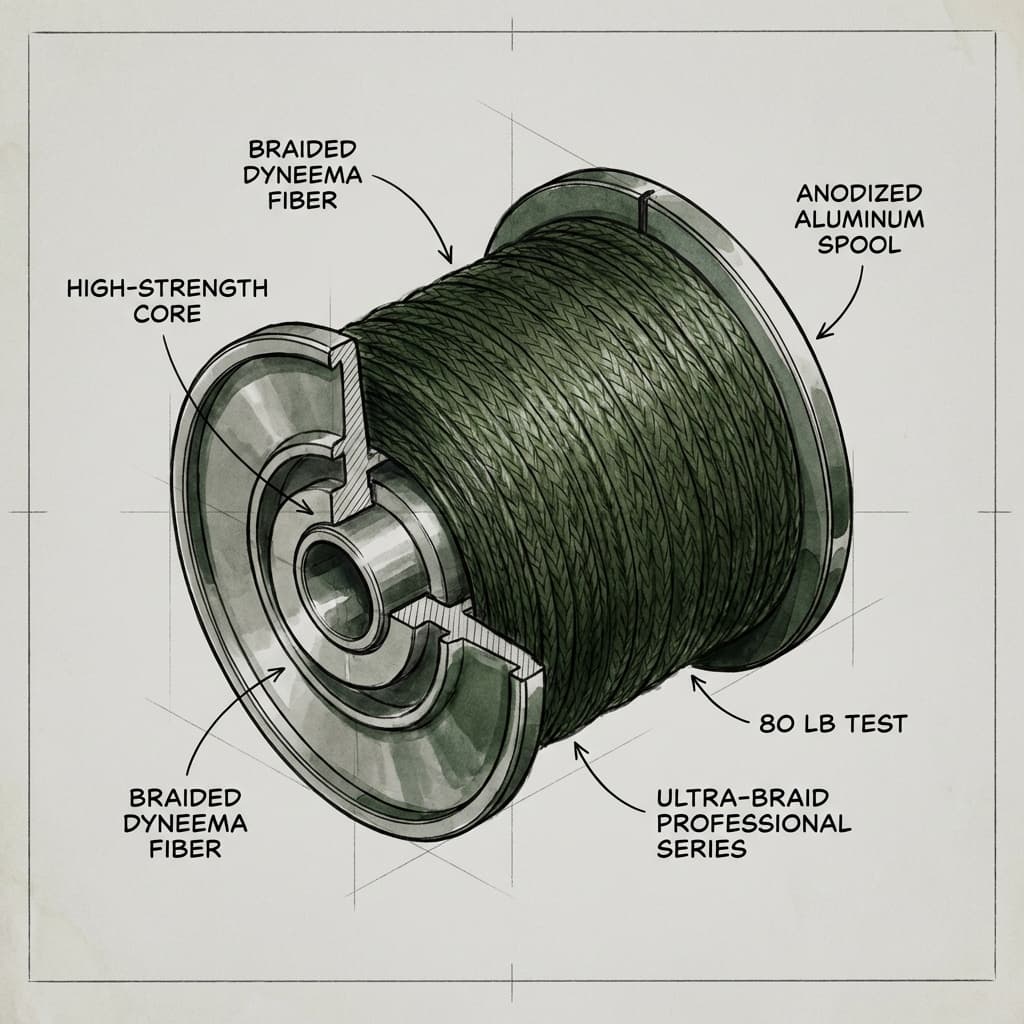
Made from woven synthetic fibers (Spectra or Dyneema), braided line offers incredible strength for its diameter with virtually zero stretch for maximum sensitivity.
Line Characteristics
Best For
Advantages
- Incredible strength-to-diameter ratio
- Zero stretch = maximum sensitivity
- No line memory - smooth casts
- Extremely long-lasting
- Great abrasion resistance
Limitations
- Highly visible underwater
- Can dig into itself on spool
- Slippery - some knots slip
- Can cut fingers if not careful
- More expensive
When to Use This Line
- Heavy cover - punching through weeds
- Deep water jigging - feel every bump
- Long-distance casting
- When rod sensitivity is critical
- As mainline with fluoro leader
Recommended Pound Test
10-20 lb for walleye, 30-50 lb for pike, 65+ lb for musky/heavy cover